
Iran’s Tactical Surprise: Claims of Downing Advanced US Warplanes

International Desk
Published: 04 April 2026, 09:51 pm
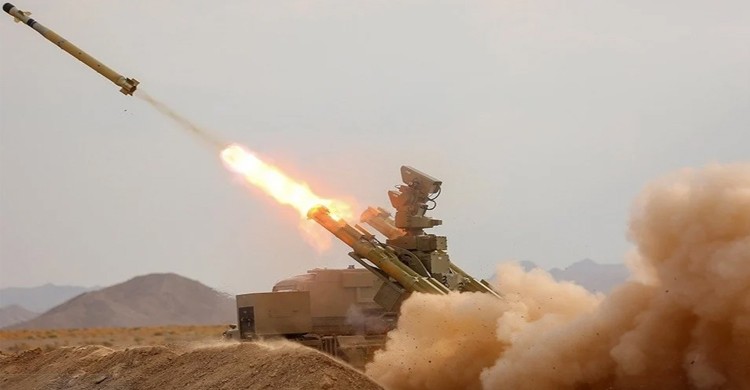
Despite facing sustained airstrikes for over a month from the United States and Israel, Iran has signaled a shift in battlefield dynamics with a bold claim: it has successfully downed two advanced US warplanes. The development is being viewed by analysts as a significant moment in the ongoing conflict.
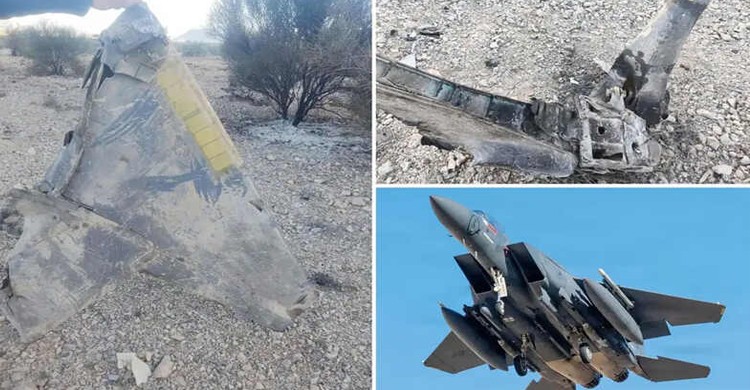
According to US officials, an F-15E Strike Eagle was struck by a missile while on patrol over central Iran on Friday. One crew member was rescued, but the other remains missing, prompting an ongoing search and rescue operation.
In a separate incident over the Persian Gulf, Iran claims its air defense systems brought down an A-10 Warthog, further escalating tensions across the Middle East. The US has not officially confirmed this second incident.
Shift in Warfare Strategy
Iran appears to be adapting its military strategy in response to sustained aerial attacks. Analysts suggest that due to damage to its radar-based defense infrastructure, Iran has increasingly turned to alternative detection technologies.
Recent footage indicates the use of optical and infrared sensors instead of traditional radar systems. These systems detect heat signatures from aircraft engines, allowing Iran to deploy passive sensor-based missile systems. This method reduces the chances of detection by enemy aircraft, as no radar signal is emitted.
Use of ‘Majid’ Missile System
Experts believe Iran may have deployed its domestically developed Majid surface-to-air missile system. This short-range missile is known for its high speed and ability to operate without radar guidance, making it difficult for modern aircraft defense systems to detect or counter—especially during low-altitude flights or specific combat scenarios.
Operational Scale and Impact
According to the United States Central Command, Iran has conducted over 13,000 missions and struck more than 12,000 targets since the beginning of hostilities.
Earlier, former US President Donald Trump had claimed that Iran’s retaliatory capabilities had been significantly weakened. However, these recent incidents appear to challenge that assertion.
In March, Iran also claimed to have shot down multiple MQ-9 Reaper drones and Israeli UAVs, though the US has not provided detailed confirmation on those reports.
A Turning Point in Modern Warfare?
Military analysts believe that this conflict is increasingly defined by technological adaptation rather than sheer firepower. Iran’s shift toward passive detection systems and unconventional tactics could reshape future air combat strategies.
If confirmed, these developments may mark a turning point—highlighting how evolving technologies can offset traditional advantages in modern warfare.
International



Read More

Civil–Military Harmony Essential for Strong State Building: Defence Adviser at DC Conference

Seven Arrested, Including Mastermind, Over Extortion Attempt at CKD Hospital

New Era in Malaysia’s Labor Market: AI to Curb Syndicates in Worker Recruitment